
What happened
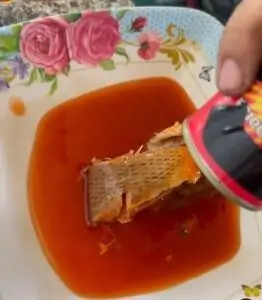
News has emerged that a brand of canned fish labelled as “sardines” may not, in fact, contain sardines. There are suspicions that the factory may have processed blackchin tilapia — an alien species currently spreading aggressively across many Thai provinces — into cans and falsely labelled the product as sardines.
This is not simply a case of a label that does not match its contents. It is bound up with the spread of an alien species that damages ecosystems, with the safety of the food people eat, and with the conduct of the state agencies that should have investigated the matter from the outset.
What is the blackchin tilapia, and why is it a problem?
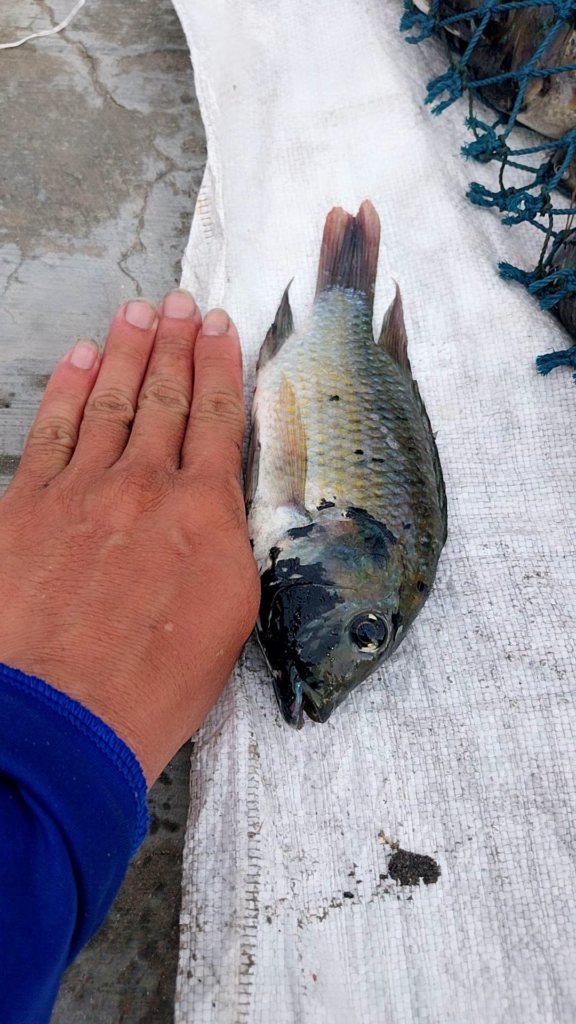
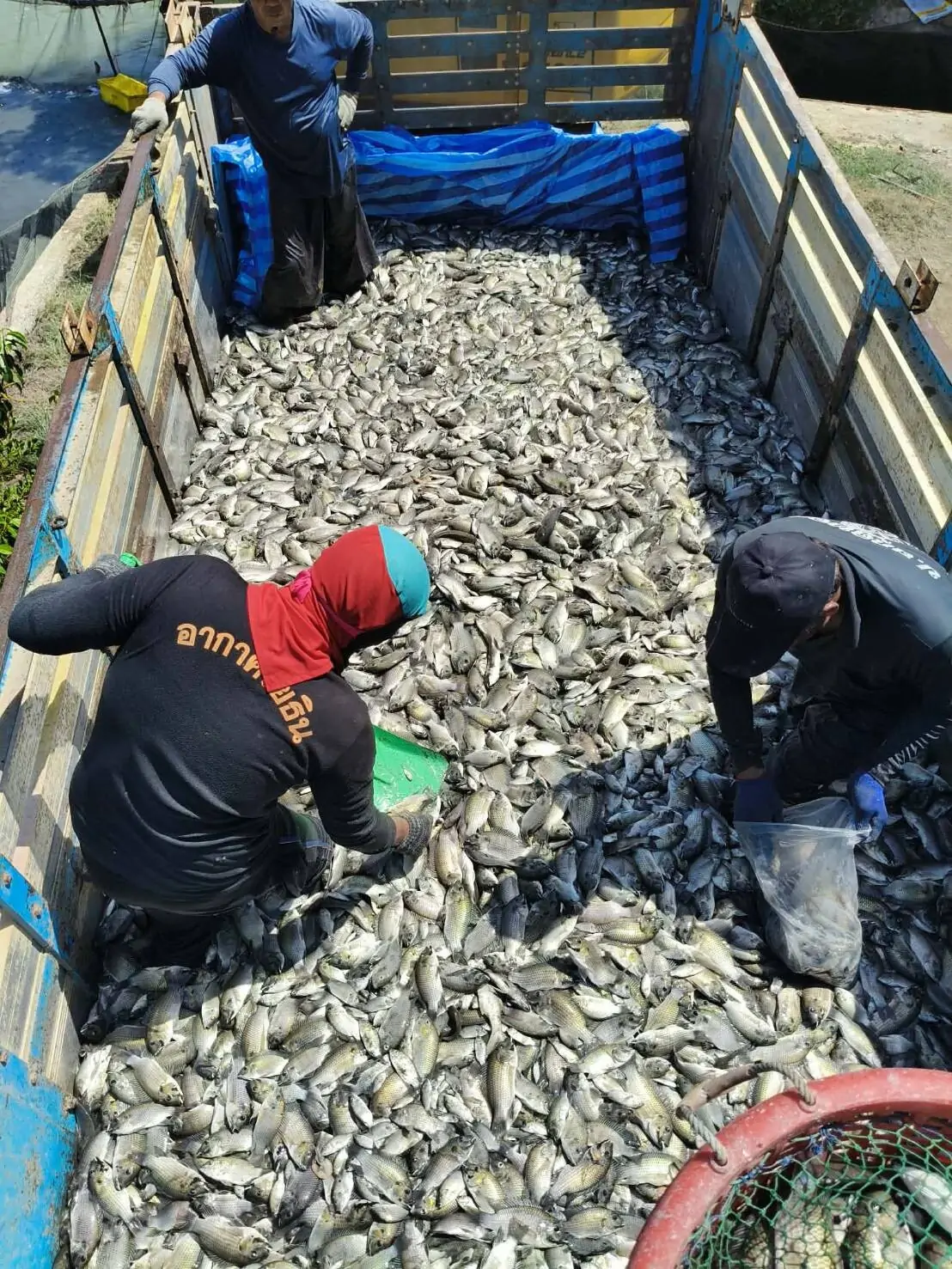
The blackchin tilapia is an alien species not native to Thailand. It was imported by a large corporation, and it subsequently escaped or was released into natural waterways. Because it has no natural predators within Thai ecosystems, it reproduces extremely rapidly and preys on native aquatic species. As a result, the fish and shrimp that fishers would ordinarily catch have declined sharply, affecting both the ecosystem and the livelihoods of small-scale coastal fishers.
According to the most recent official statements, the species has already spread to at least 21 provinces, and it is now expanding towards Songkhla Lake. Samut Songkhram was the first province in which the outbreak was recorded. Of particular concern is the fact that large numbers of blackchin tilapia now inhabit polluted waterways and waters adjacent to industrial zones — bodies of water that carry considerably greater risks in terms of cleanliness and safety than ordinary waterways.
From suspicion to scientific proof
The case began when canned fish was seized and questions arose as to whether the fish inside the cans might be blackchin tilapia rather than the sardines stated on the label, since the two are similar in outward appearance and in the composition of the flesh.
In the early stages, the relevant government agencies — both the Food and Drug Administration (FDA) and the Department of Fisheries — moved quickly and spoke with one voice in confirming that the fish in the cans was Nile tilapia, not blackchin tilapia. That confirmation, however, was not accompanied by any concrete scientific testing. When further questions were raised as to what methods these agencies had used, no clear explanation was forthcoming.
When cans from the same lot were submitted to several state agencies for re-testing, the response was that the tests could not be carried out because the matter was a “political issue” requiring prior authorisation from senior executives.
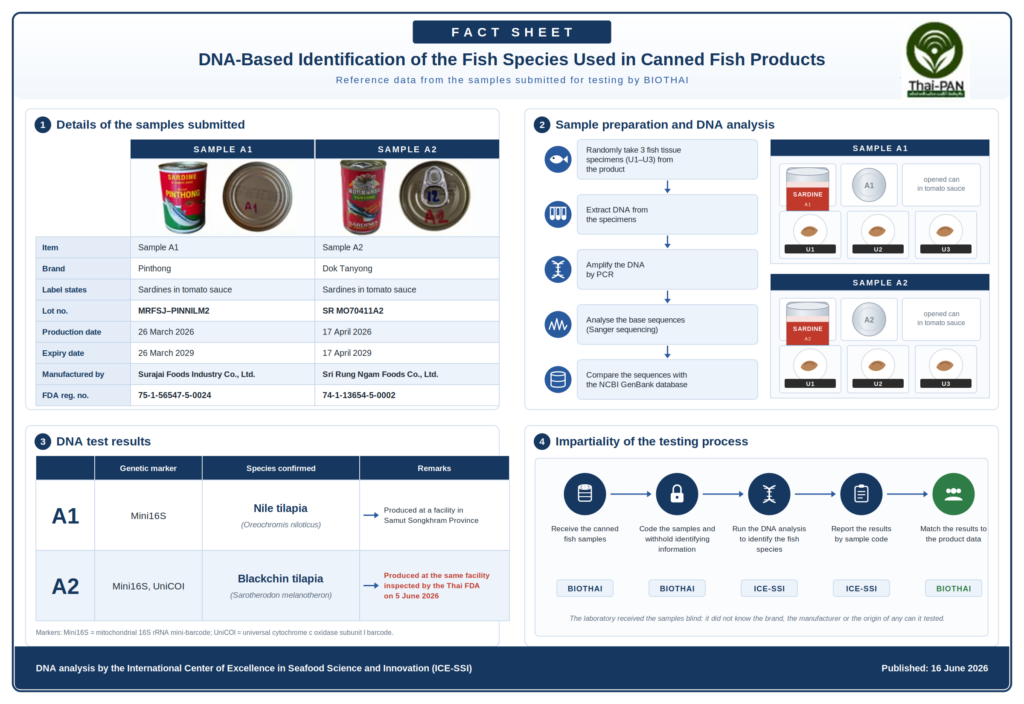
Ultimately, the samples were sent to the International Center of Excellence in Seafood Science and Innovation, Faculty of Agro-Industry, Prince of Songkla University, Hat Yai Campus — an independent academic institution. The submission was conducted rigorously: every label was removed from the cans beforehand, so that the laboratory did not know which brand it was testing, or whether the cans were the ones featured in the news. It was, in other words, a blind and unbiased test.
Three pieces of fish taken from the cans were subjected to comparative DNA analysis using three different methods, producing nine results in total. Eight of the nine results consistently confirmed that the DNA of the fish in the cans corresponded to blackchin tilapia (scientific name Sarotherodon melanotheron). Only one result was inconclusive.
In sum, scientific testing confirmed that the fish contained in cans labelled as “sardines” was in fact blackchin tilapia. This practice — known in Thai as yom pla khai, literally “dyeing fish for sale” — involves substituting a false raw material for the one declared on the label, and it is against the law. The issue is not merely whether the food is edible or hazardous, but that consumers are deceived about the origin of the food they eat.
Is eating blackchin tilapia dangerous?
Blackchin tilapia is edible; it is not a poisonous fish. The more serious concern is where the fish comes from, because large numbers of the blackchin tilapia now spreading through Thai waters live in polluted waterways and in waters near industrial zones. Where the source is not clearly stated on the label, consumers have no way of knowing whether the fish they are eating came from clean water or from contaminated water. This is precisely why accurately declaring the species and the origin of fish on the label matters so much. It is no small issue.
Why state agencies are facing heavy criticism
What has provoked public anger is not only the fish inside the cans, but the conduct of state agencies after the problem came to light.
The Department of Fisheries moved swiftly to assert that the seized fish was Nile tilapia, without first carrying out systematic scientific testing. The Food and Drug Administration, meanwhile, holds tens of thousands of cans obtained through a request for cooperation from the manufacturing company, yet has not subjected them to serious examination. Under the existing food law, the FDA has no authority to seize these cans if the company does not consent to their collection.
At the single factory featured in the news alone, more than 13,000 cans have been impounded — some sources put the figure as high as more than 18,000 — and this does not include cans that had already been sold and shipped out beforehand. A number of other factories have yet to be inspected at all.
The legal gaps that must be closed
Thailand’s current food law has been in force for several decades and carries a critical limitation: it does not permit traceability of raw materials back to their source. Even where the fish is found to be blackchin tilapia, there is no legal instrument with which to trace where that fish came from — despite the fact that the law already prohibits both possession and trade in blackchin tilapia.
Efforts have been made to introduce a new food bill that would allow the origin of raw materials to be traced and would raise penalties, since the penalties under the existing law are so light that offending operators still gain more than the fines they must pay. This bill, however, has been in the legislative process for almost two years and remains stalled at the deliberation stage with no progress.

Proposals from the affected communities
Four principal proposals have been put forward.
First, state agencies must go back and review and test all of the impounded canned fish transparently, using testing methods that meet proper standards and can be publicly disclosed. Inspection must not be confined to the factory that appeared in the news; it must be extended to other factories that have not yet been examined. During the course of this investigation, it was found that another factory had likewise mislabelled its product as Nile tilapia, which is itself a breach of labelling law.
Second, the correct principle for managing invasive alien species must be upheld: such species must be eradicated and reduced in number, not promoted as an “economic species.” Some groups have been pressing for blackchin tilapia to be promoted as an economic species on the grounds that it is a cheap source of protein. That proposal, however, risks becoming a means of “whitewashing” the invasive alien species problem. In economic terms, blackchin tilapia converts feed into flesh very inefficiently and fetches only 2–5 baht per kilogramme, making it uneconomic to promote as a commercial species — while at the same time it damages ecosystems and destroys the fishing livelihoods of local communities. Making use of fish that have already been caught is not in itself wrong, but it must be done with the aim of reducing the population of this species, not of encouraging its farming or propagation.
Third, the new food law permitting traceability of the origin of food raw materials must be pushed forward as a matter of urgency, because knowing where food comes from is essential to consumer safety over the long term. It is not enough to know what species a fish is; it is also necessary to know which body of water it was caught in, and whether that water is clean or contaminated.
Fourth, the academic institutions and laboratories responsible for testing must be protected so that they can work independently and free from interference. Only the truth that emerges from impartial scientific verification can lead to acknowledgement of the problem and to remedies that address it at its root.